

Artificial Intelligence Client Interview & Case Chronology Drafting
A strong case starts with a strong interview. This training teaches how to use artificial intelligence to transform unstructured client conversations into organized, usable legal work product. The result is a clear timeline, a defined fact pattern, an issue list, and draft-ready written summaries that can be refined as documents and evidence arrive. The goal is simple: capture the facts once, organize them correctly, and keep the case moving forward without repeated rework.
Does this training replace traditional client interview techniques? No. This training builds on traditional interview techniques by adding structure and disciplined AI assistance after the interview is complete. The interview itself remains a human-led process focused on listening, clarification, and verification.
What This Training Develops
- Workflow Structure: repeatable steps from intake to drafting to final review.
- Quality Control: checkpoints that catch errors early.
- Document Discipline: keeping prompts, drafts, and final versions organized.
- Consistency Standards: using the same standards across matters so output stays reliable.
- Human Accountability: review habits that keep the work defensible.
What This Training Builds
This module develops a repeatable interview and drafting system that supports litigation, discovery, and trial preparation. Students learn how to structure interviews so critical information is captured efficiently, how to convert narrative statements into chronological records, and how to maintain clarity as the case evolves.
Is this training limited to litigation matters? No. Structured interviews and chronology drafting apply equally to civil litigation, family law, probate, administrative matters, and pre-litigation case evaluation.
The skills developed include interview structure that consistently captures who, what, when, where, and how without losing control of the conversation; chronology drafting that produces a clean, updateable timeline; separating facts from opinions so the record remains usable; identifying documentary evidence tied to each key event; and generating focused follow-up questions that close gaps without overwhelming the client.
Client Interview Workflow
Efficient interviews are structured interviews. The process begins by identifying the parties, establishing timeline anchors, and clarifying the client’s objective. From there, the interview proceeds through each period of time in order. When clients jump between events, the interviewer redirects back to the timeline so the factual record remains coherent.
Is artificial intelligence used during the client interview itself? No. AI is introduced only after the interview record is complete. This protects client trust, avoids distraction, and ensures facts are captured accurately before any drafting assistance occurs.
Timeline Anchors
The first step is identifying the beginning of the matter, major turning points, and the most recent event. Dates, locations, and participants are confirmed for each anchor point. These anchors form the backbone for all later work, including witness identification, document collection, and issue framing.
What happens if exact dates are missing? Approximate dates are documented as such. This prevents false certainty and reduces downstream drafting errors.
Issue List
Once the timeline is established, the narrative is converted into discrete issues. Issue framing keeps the interview focused and prevents excessive detail that never ties back to the case. Each timeline event is linked to one or more issues so relevance is preserved from the start.
Why is issue framing important at intake? It prevents files from becoming collections of facts that never translate into usable legal work product.
Evidence Leads
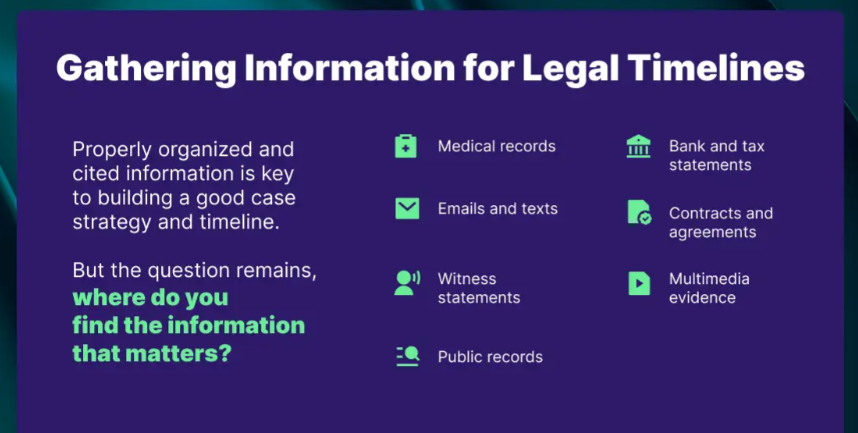
For every key event, the interviewer identifies what proof should exist. This may include text messages, emails, photographs, video, call logs, medical records, employment records, invoices, platform data, or third-party witnesses.
What problems does early evidence identification prevent? It reduces lost records, missed preservation opportunities, and last-minute discovery scrambling.
How AI Supports the Work
Artificial intelligence is introduced only after the interview record is complete. AI assists by organizing raw notes into structured formats, producing draft chronologies and summaries, and generating gap lists for follow-up. It also helps refine language, remove repetition, and ensure the chronology reads cleanly from start to finish.
How is accuracy maintained when AI is used? All AI-assisted output is reviewed against interview notes and source documents. Students are trained to identify hallucinated details, inferred facts, and logical gaps before any draft is relied upon.
Do courts accept AI-assisted work product? Courts care about accuracy and compliance, not tools. Responsibility for the final work product always rests with the legal professional.
Turning Notes Into a Chronology
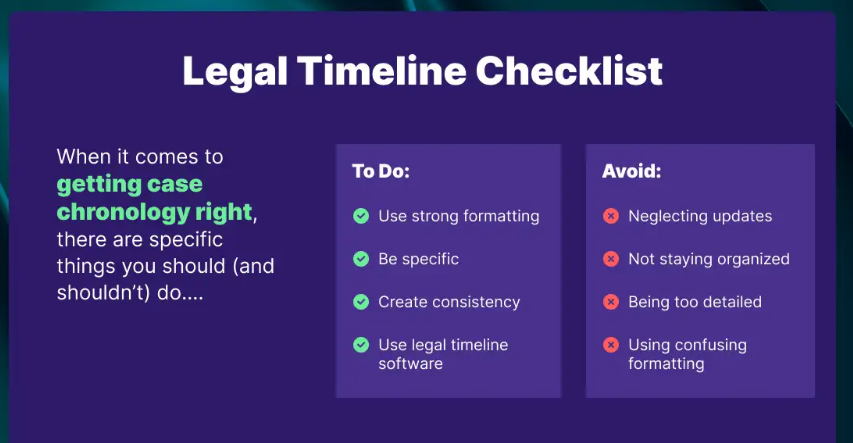
Effective chronologies are written in strict chronological order using consistent formatting. Each entry clearly states the date or approximate date, location, individuals involved, what occurred, and what evidence supports the event.
Can these chronologies be used in court filings? Yes, once reviewed and verified. They commonly support declarations, pleadings, discovery responses, and trial preparation materials, subject to attorney review and supervision.
Exhibit and Witness Integration
As the chronology develops, exhibit and witness leads are identified simultaneously. Events are linked to potential exhibits and witnesses early, reducing later scrambling during discovery or trial preparation.
This early integration also limits unnecessary follow-up requests to clients, improving responsiveness and preserving trust.
Common Problems This Training Fixes
Client interviews that jump between events and produce unusable notes. Missing or inconsistent dates that undermine later drafting. Facts mixed with opinions that weaken declarations. Evidence identified too late to preserve properly. Follow-up questions that are too broad and cause client disengagement. Draft chronologies that must be rewritten because the interview foundation was not structured.
How This Fits Into Certification
Is this module required for certification? Yes. This training is a required module within the AI Skills Certification for Paralegals and establishes the foundational workflow used throughout the certification.
The certification builds progressively, and the workflow taught here carries forward into every later AI-assisted task.
Included Training Pages (AI Skills Certification for Paralegals)
Artificial Intelligence Client Interview & Case Chronology Drafting
AI for Case Law Research & Verification
Human Due Diligence in AI-Assisted Legal Work
Building Safe AI Workflows in Paralegal Practice
AI for Case Management, Settlement Conferences & Case Closure
Certification details, pricing, and packaging are available at AI Skills Certification for Paralegals.
Related Pages (Other Courses)
Client Interview Bootcamp for Paralegals
e-Discovery Bootcamp for Paralegals
Litigation Bootcamp for Paralegals
Trial Preparation Bootcamp for Paralegals
File Discipline Bootcamp (Paperless Legal Office)